
Just Launched: The Nishat Collection »
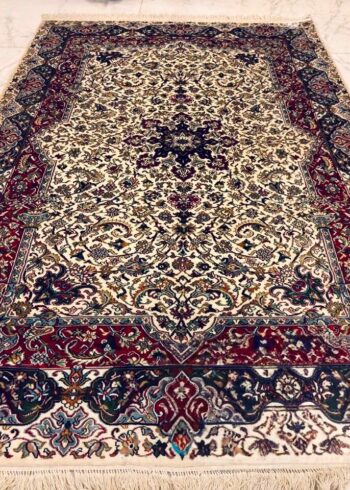
Nishat Collection
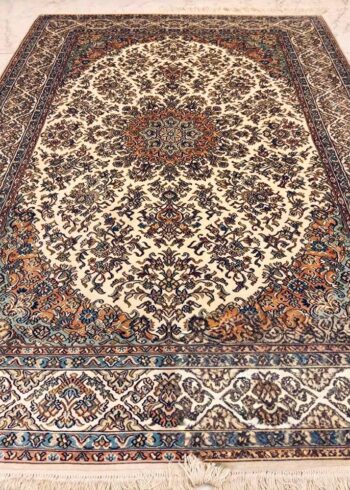
Nishat Collection
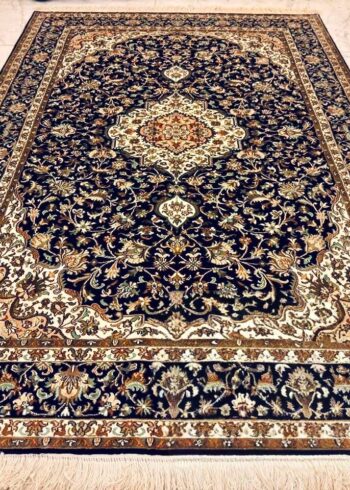
Nishat Collection
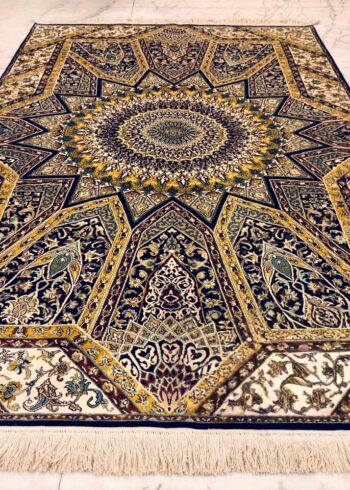
Nishat Collection
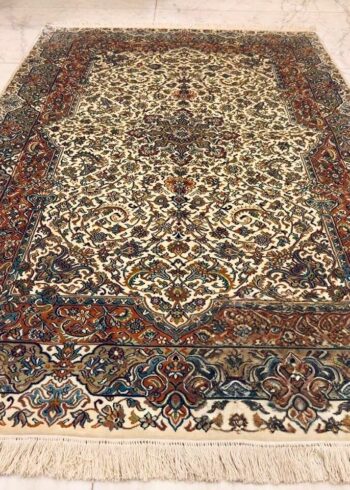
Nishat Collection
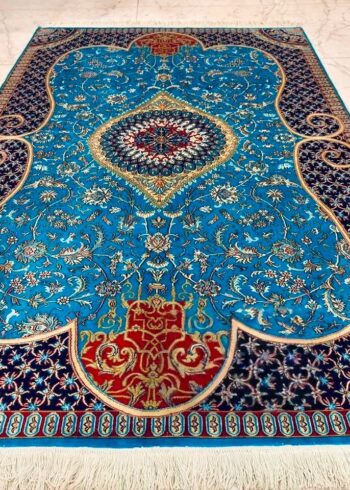
Nishat Collection
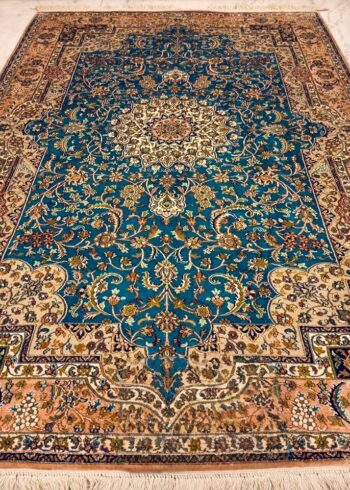
Nishat Collection
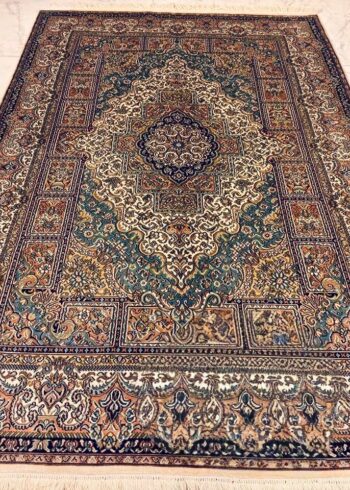
Nishat Collection
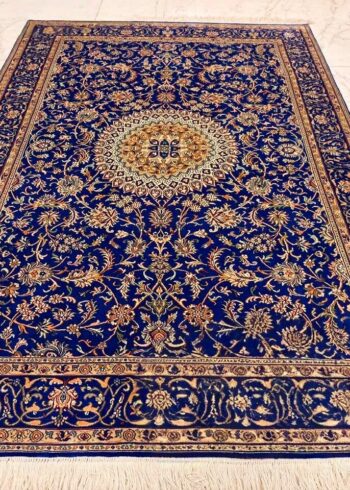
Nishat Collection
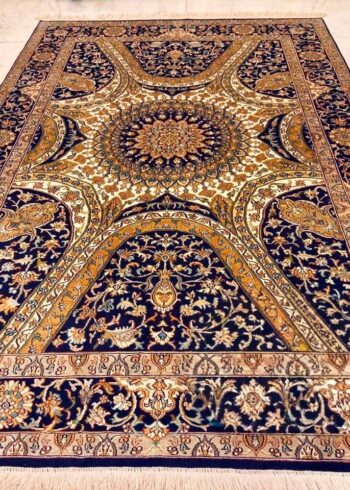
Nishat Collection
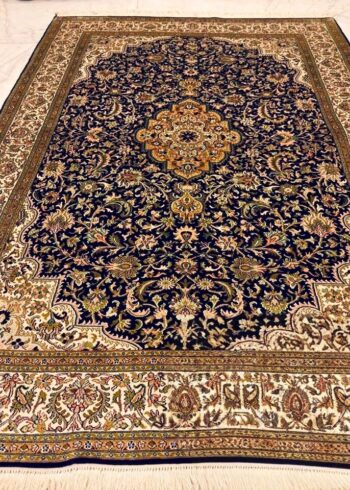
Nishat Collection
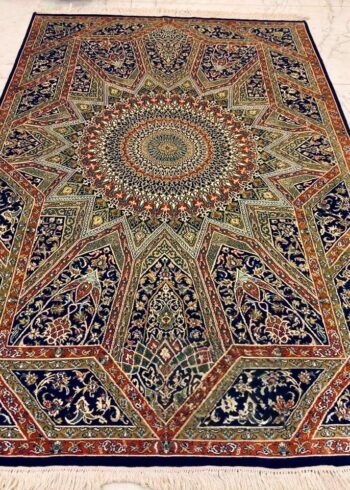
Nishat Collection
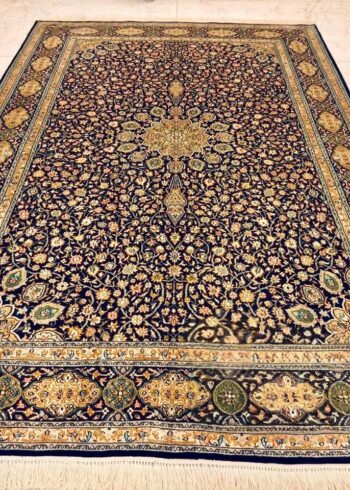
Nishat Collection
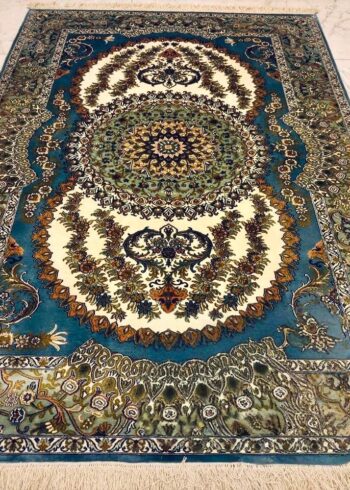
Nishat Collection
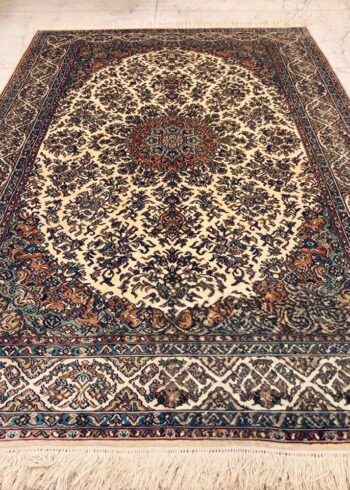
Nishat Collection
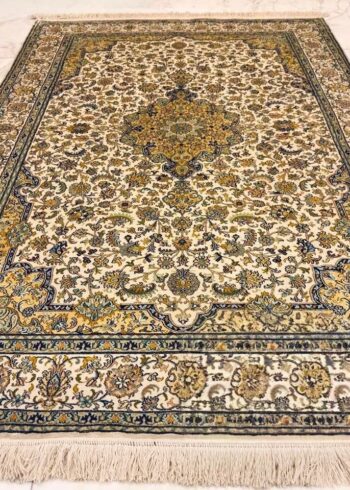
Nishat Collection
Nishat Collection
Nishat Collection
Nishat Collection
Nishat Collection
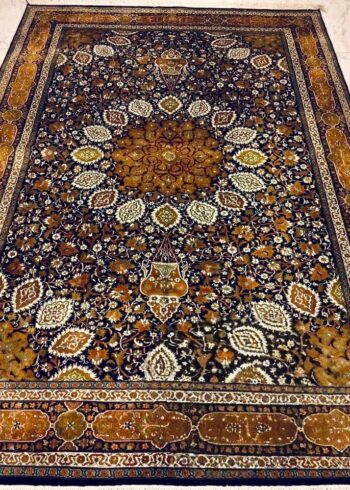
Nishat Collection
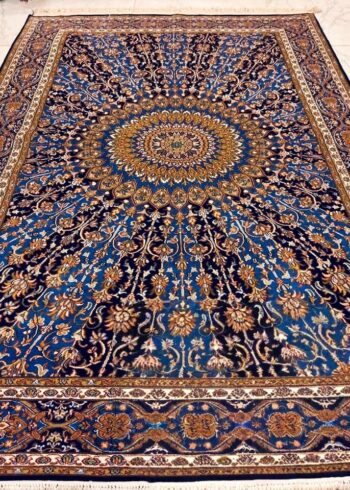
Nishat Collection
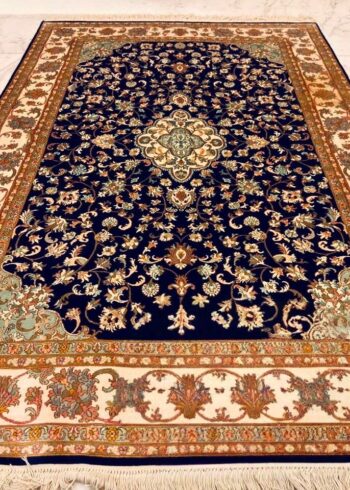
Nishat Collection
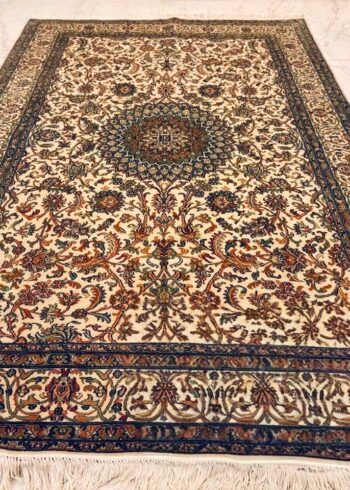
Nishat Collection
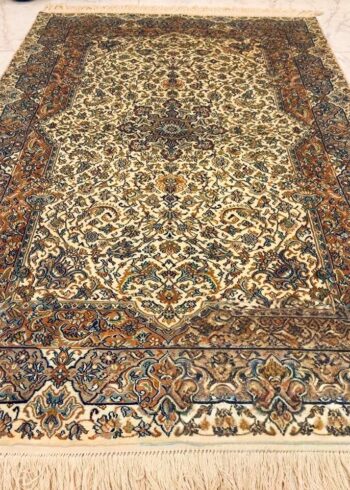
Nishat Collection
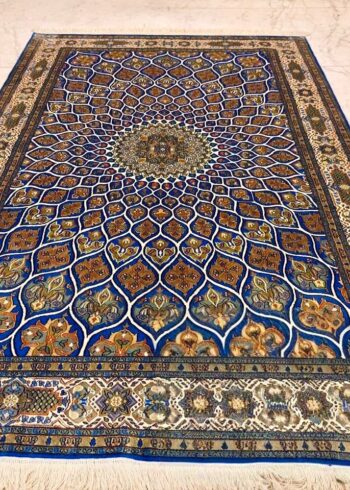
Nishat Collection
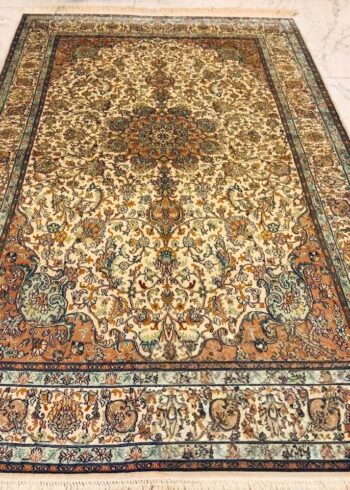
Nishat Collection
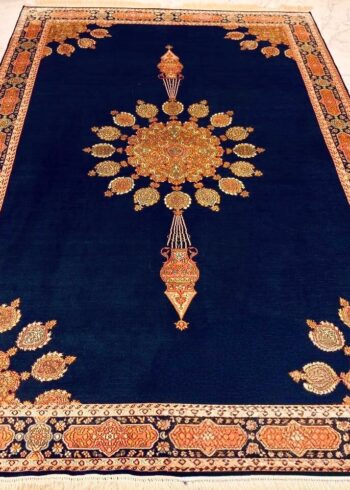
Nishat Collection
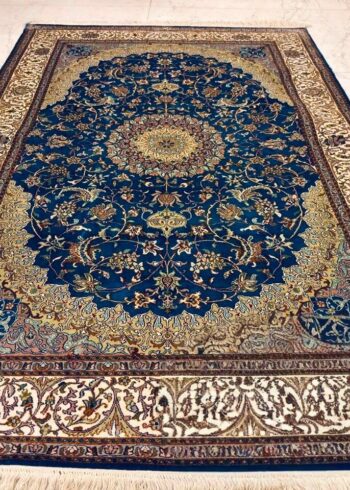
Nishat Collection
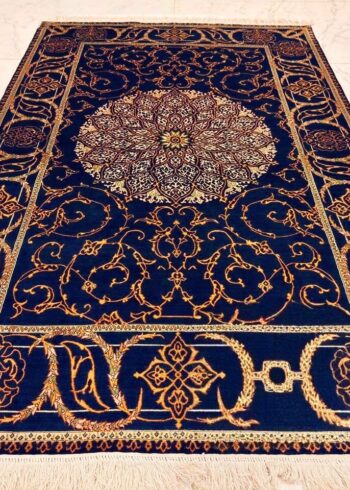
Nishat Collection
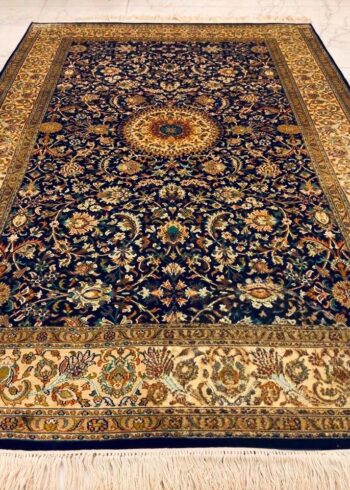
Nishat Collection
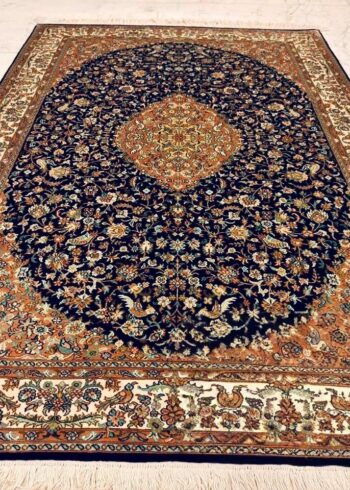
Nishat Collection
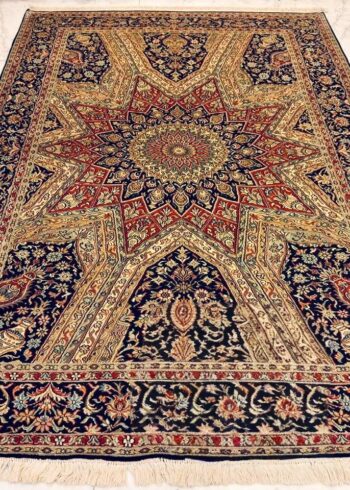
Nishat Collection
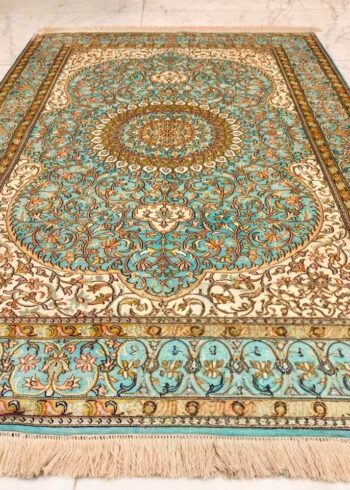
Nishat Collection
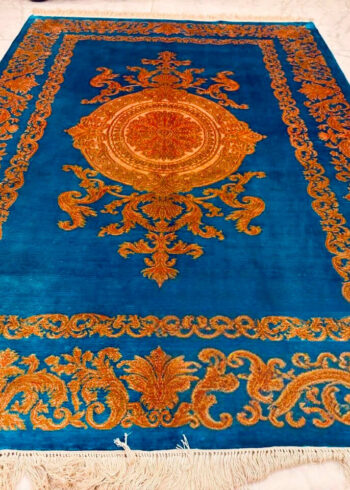
Nishat Collection
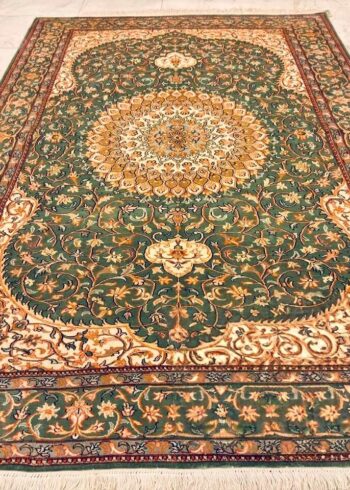
Nishat Collection
For over 50 years, Carpets of Kashmir has offered authentic, hand-knotted Oriental and Tribal carpets inspired by the artistic heritage of Kashmir. Our collection includes 2000+ ready carpets in pure wool, wool-silk blends, and pure mulberry silk — each piece individually handmade and one-of-a-kind.
To understand pricing in detail, explore the Price Range of Custom Handmade Carpets in India.
Visit our Mumbai showroom or buy oriental carpets online. Every carpet includes a RugAssure certificate and is delivered worldwide.
As one of the leading carpets manufacturers in India, we have proudly served clients across India and internationally with a focus on authenticity, craftsmanship, and long-term value.
Master the art of luxury rug investment by exploring our expert guide on how to determine the value of your oriental rug, curated by our managing partner Rohit Sharma; an expert on rugs with 30+ years experience and expertise.
Custom & Bespoke Rugs »
Make a statement with our bespoke handmade rug collections, where luxury meets personal expression. Our artisans translate your ideas into a precisely crafted handmade rug.
These rugs are perfect for bedrooms, living rooms, dining rooms, under the coffee-table, corridors, entryways, dens, libraries, and children’s rooms too.
We also offer custom order oriental carpets using traditional hand-knotting methods. For modern spaces, explore our custom made hand-tufted rugs and custom ordered modern rugs.
For those who seek a more contemporary aesthetic, we invite you to explore Stratum, our sister brand created to serve modern spaces with the same dedication to quality and integrity that defines Carpets of Kashmir. Stratum offers an extensive design library along with bespoke rugs crafted to your preferred size, material, and artistic vision. It stands as a natural extension of our legacy, shaped for spaces that appreciate modern expression without compromising craftsmanship.
Pashmina & Cashmere Collection »
Alongside our carpets, we showcase over 500+ authentic Pashmina shawls crafted from fine Kashmiri cashmere — including solid classics, intricate Jamavars, and rare Kani Jamavars. We also specialize in corporate gifting of Pashmina shawls, for men and women; with support for bulk pricing, premium packaging, and monogramming for weddings, product launches, awards, and official visits.
Our family heritage in fine craftsmanship extends beyond carpets into the world of exquisite Kashmiri textiles through Ishvya.
From graceful daily wear to refined luxury pieces, Ishvya presents a thoughtfully curated collection crafted in Cashmere, Pure Pashmina, and other fine materials. Each creation carries the same spirit of authenticity, attention to detail, and cultural pride that defines Carpets of Kashmir. What we weave for your spaces, we also create to be worn close, with warmth and timeless elegance.
For guidance, explore our buying guide on Pashmina.
Our Legacy »
To know more about our company that was established in 1979, please 50 years of Kashmir carpet heritage.
Product Range »
Design Selection »
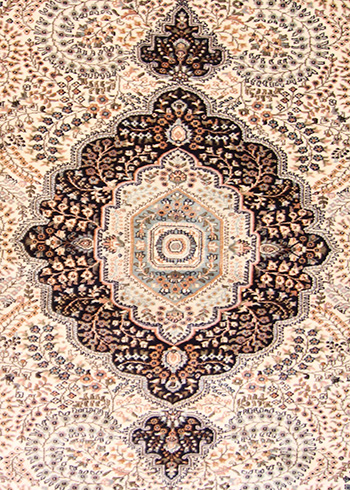
Floral Designs
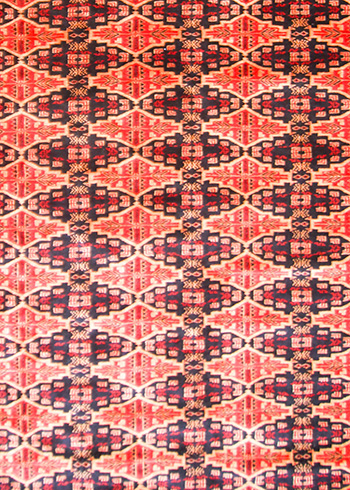
Geometric & Tribal Designs
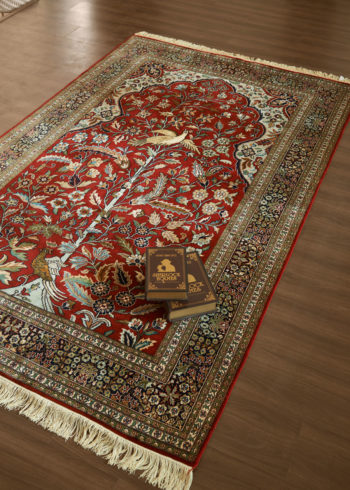
Pictorial Design Rugs
Placement Selection »
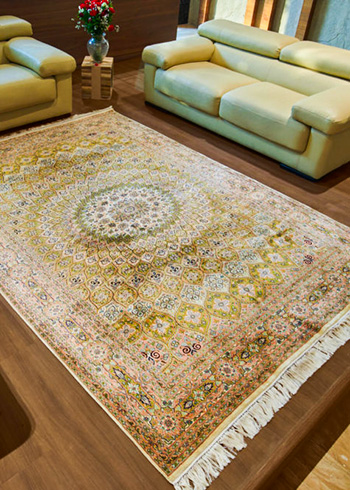
Living Room
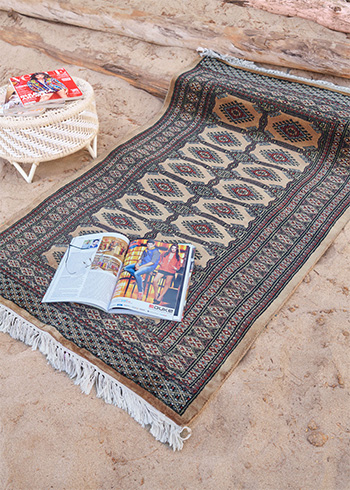
Bedroom & Foyer
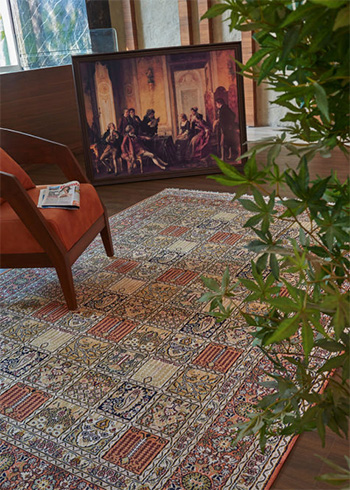
Under Coffee Table
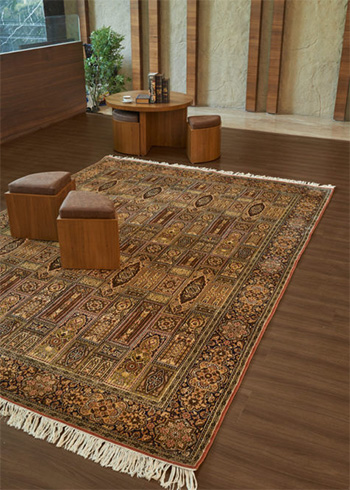
Dining Room
Latest Blog Posts »
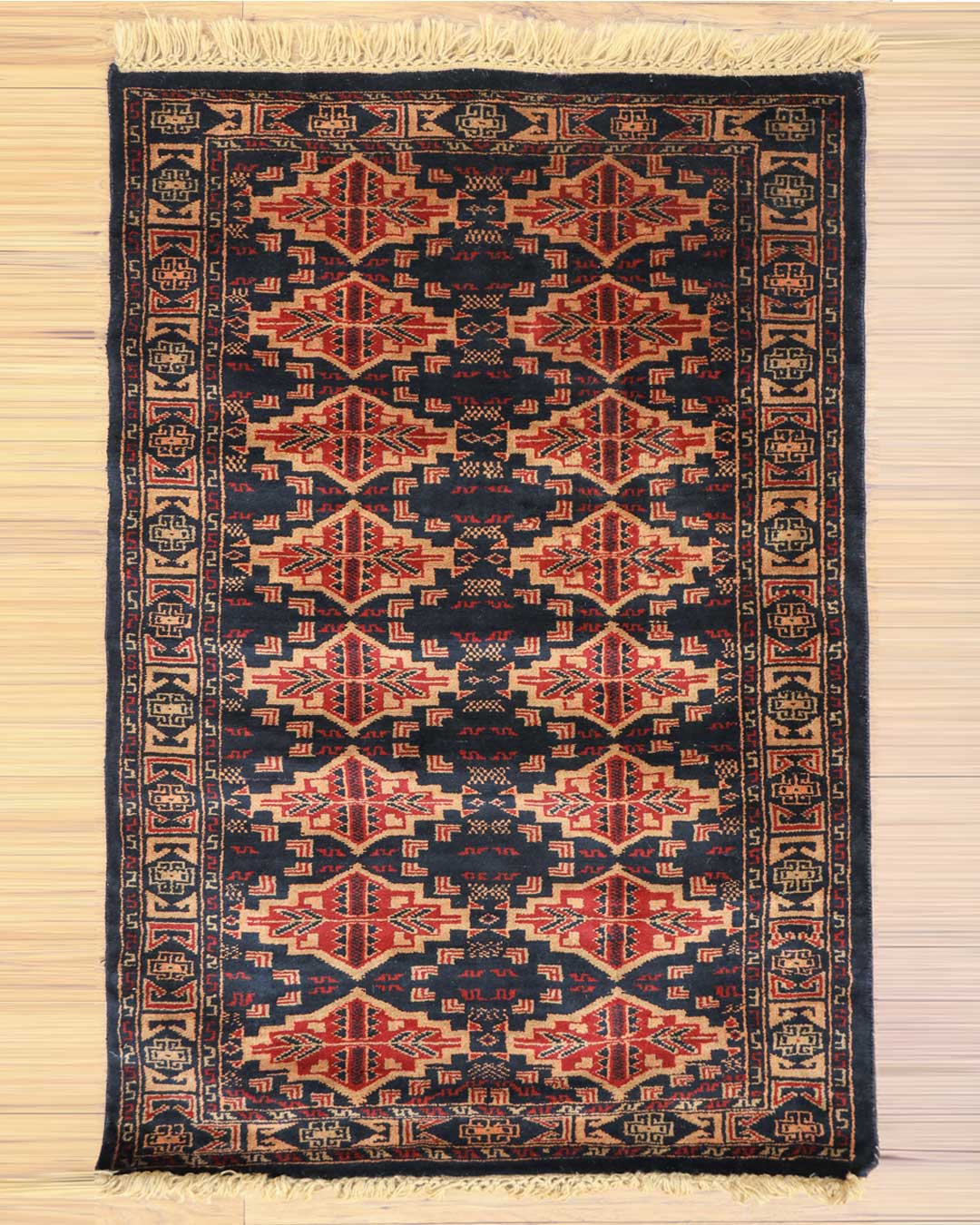
Sustainable and Eco-Friendly Handmade Rugs
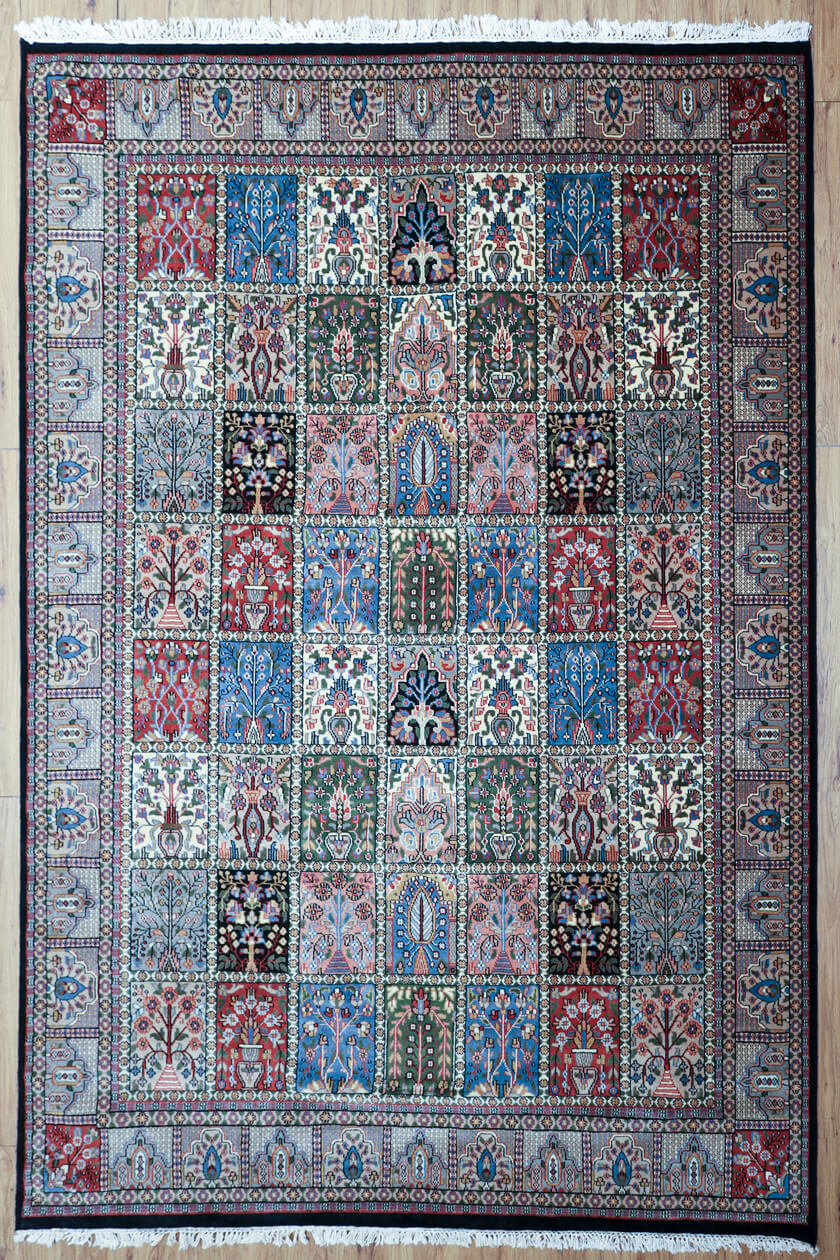
How to Determine the Value of Your Rug
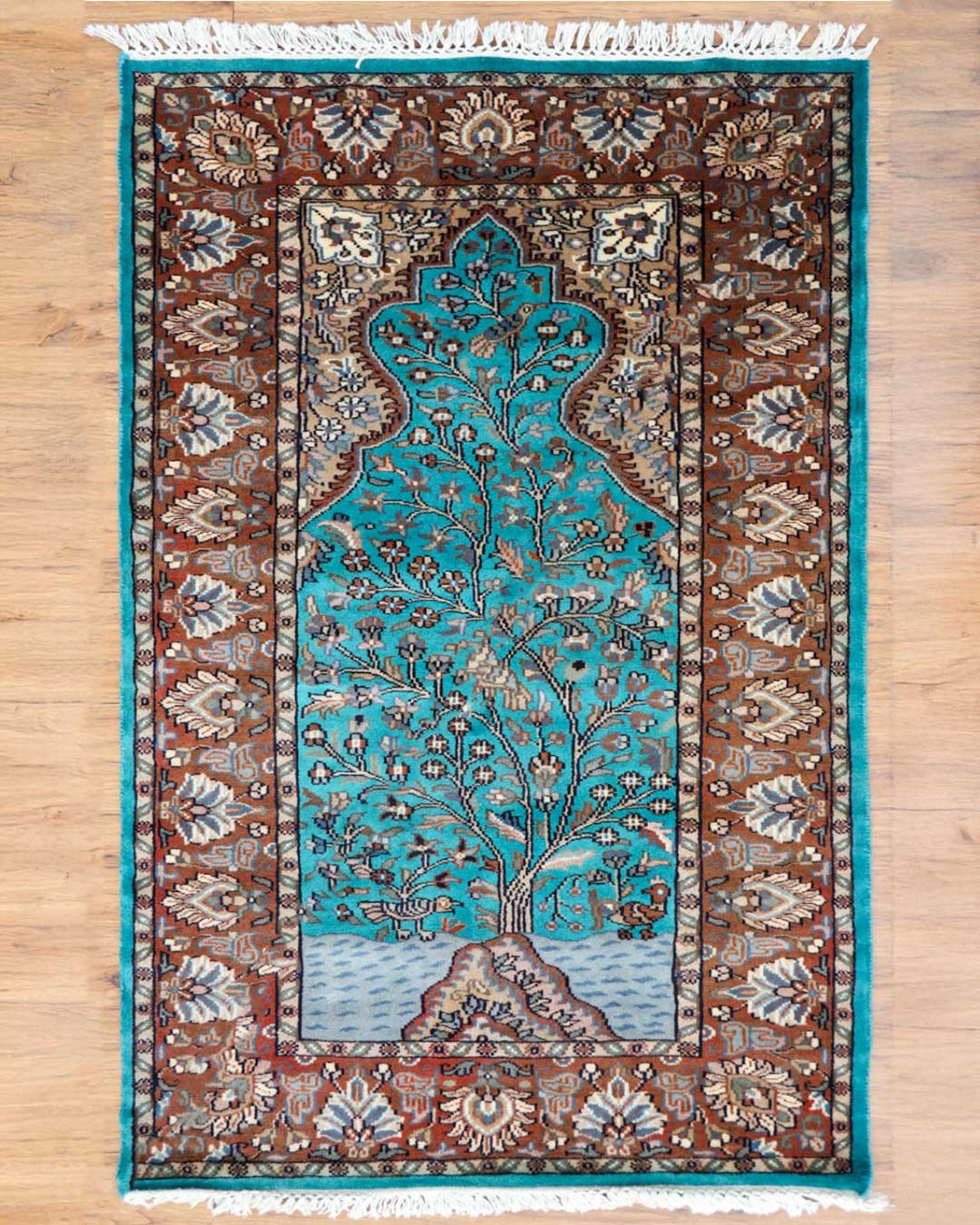
Custom Made Rugs for the American Homes
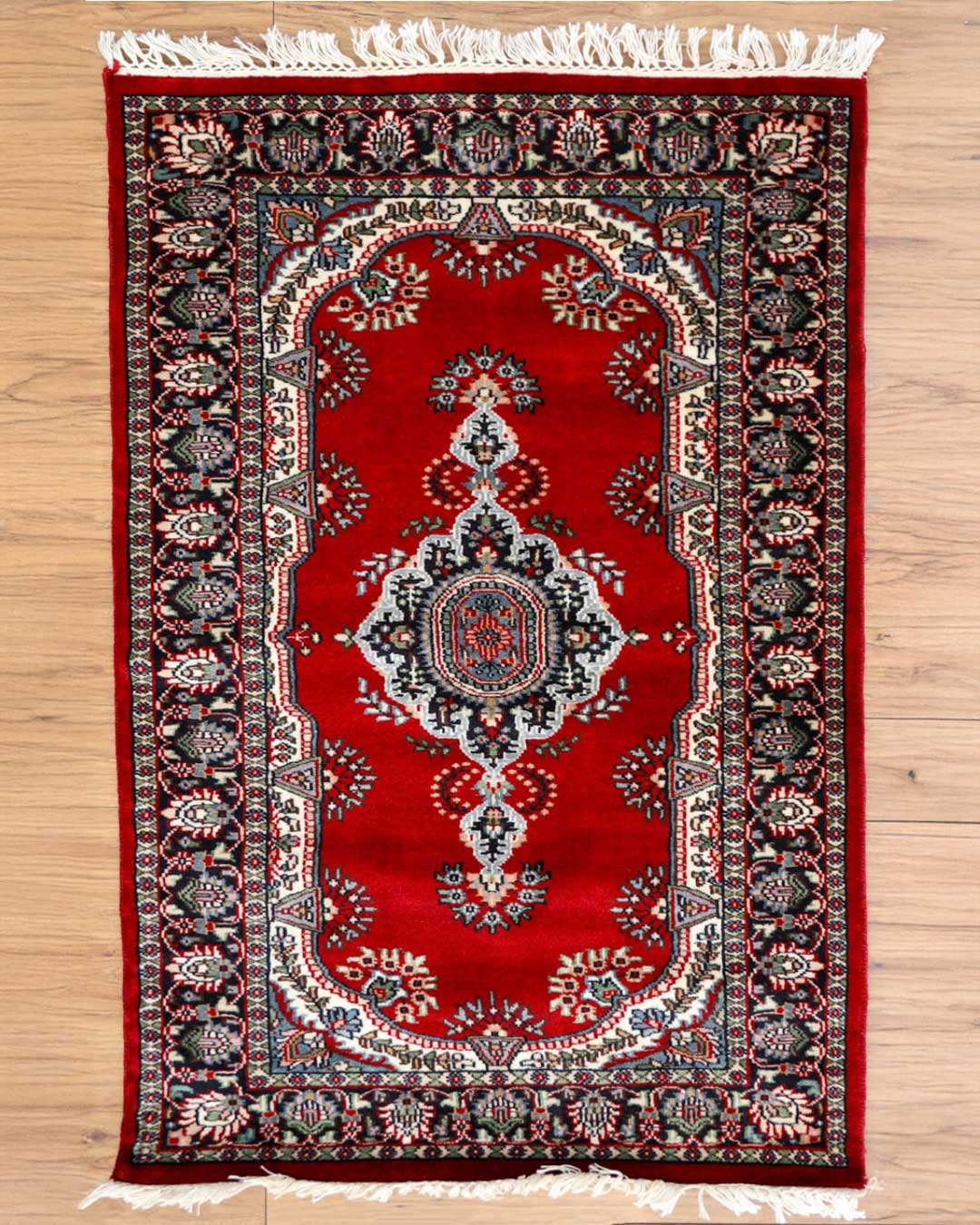
Best Handmade Rugs for Luxury Homes

