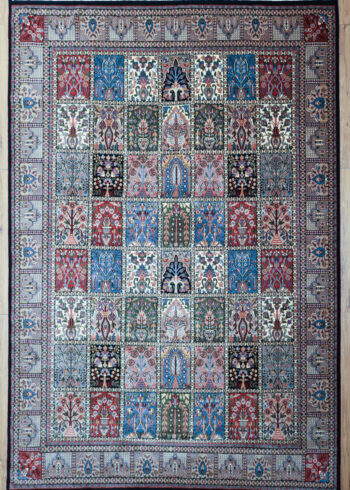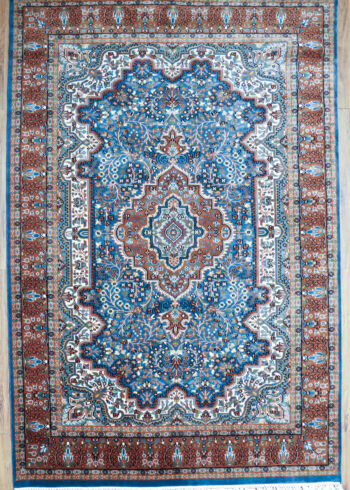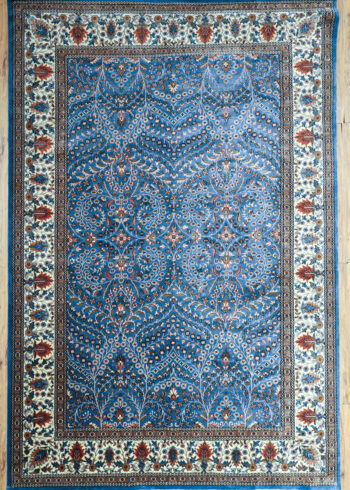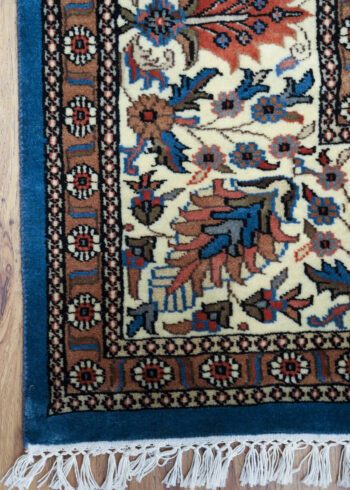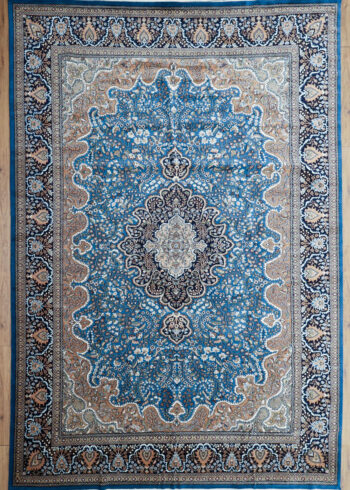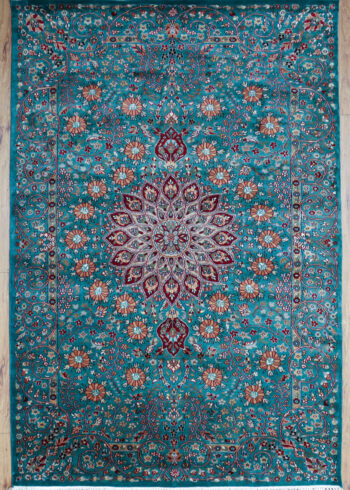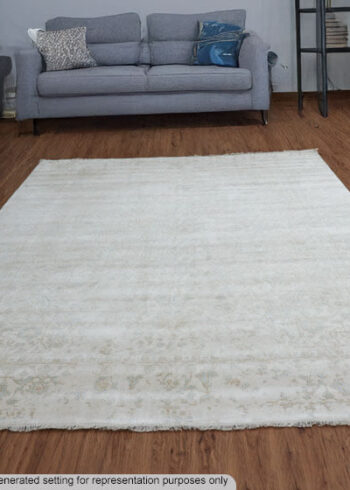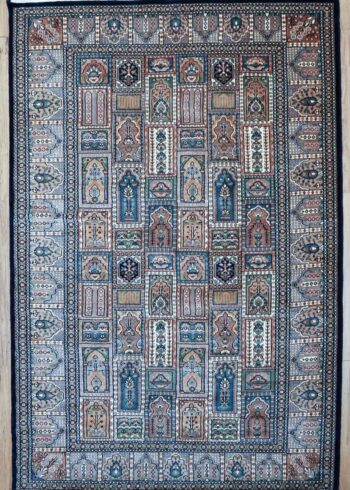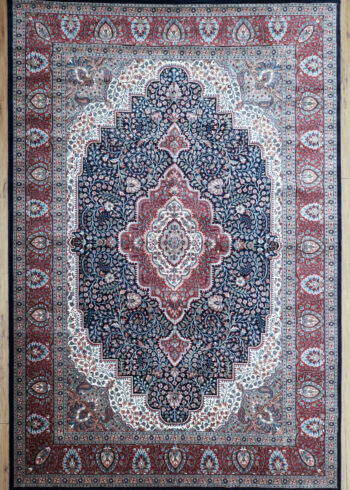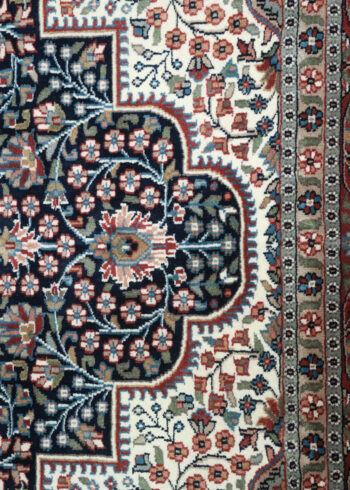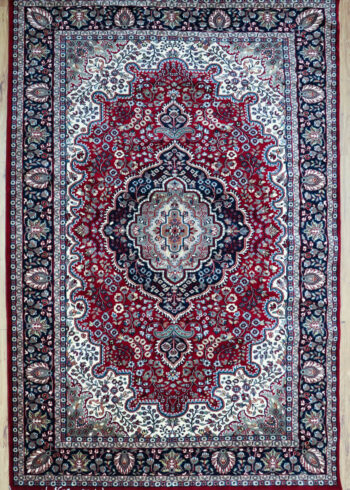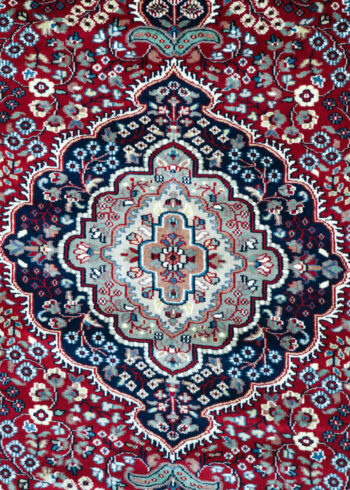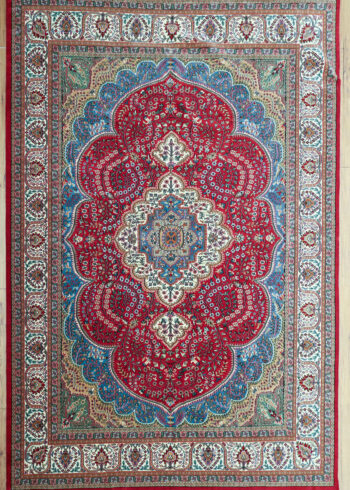
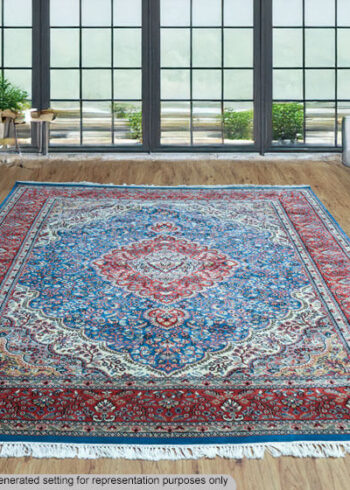
Our Product Range
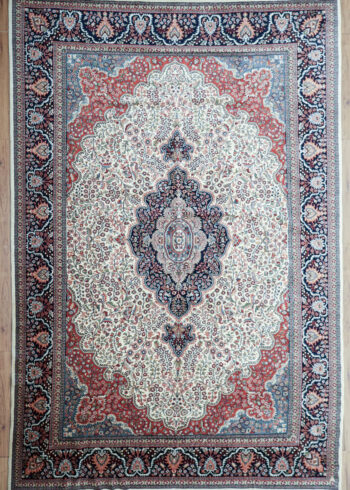
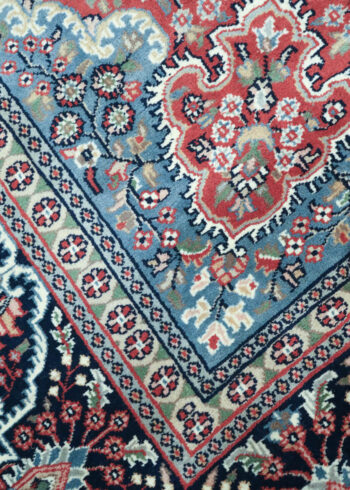
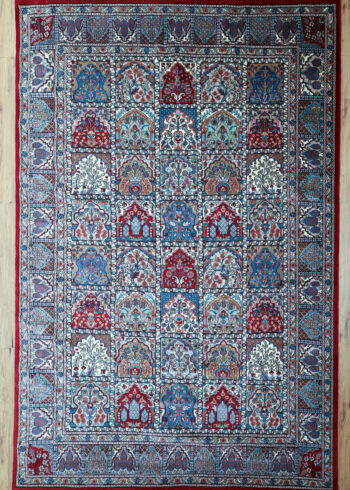
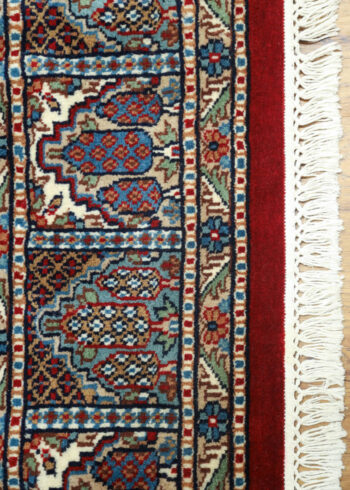
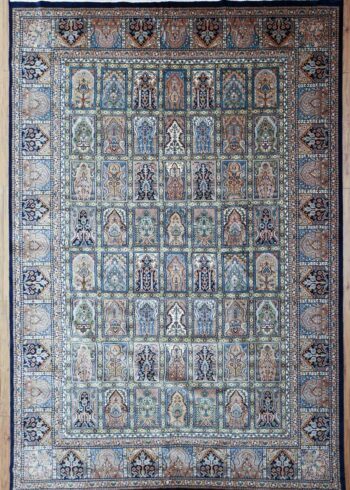
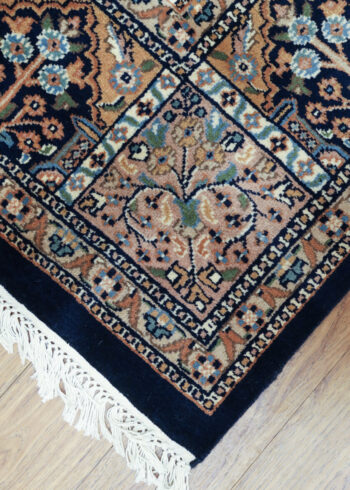
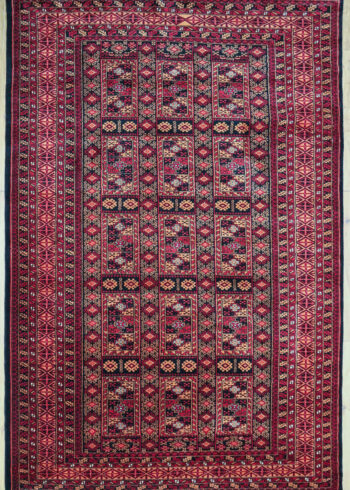
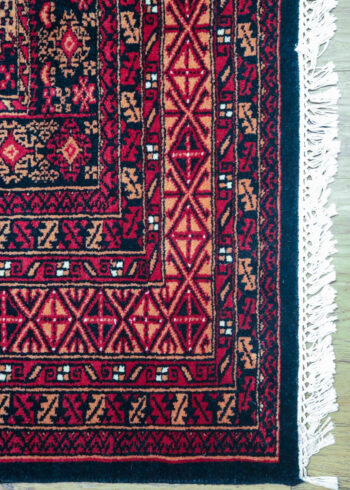
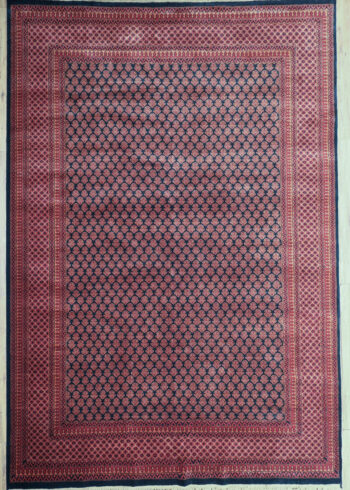
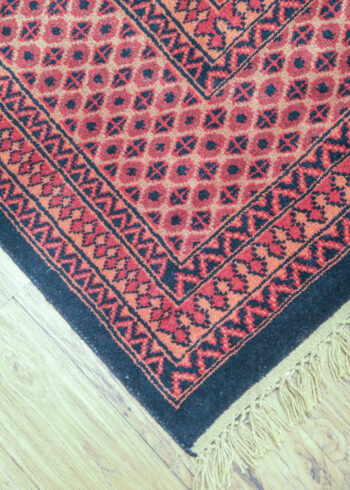
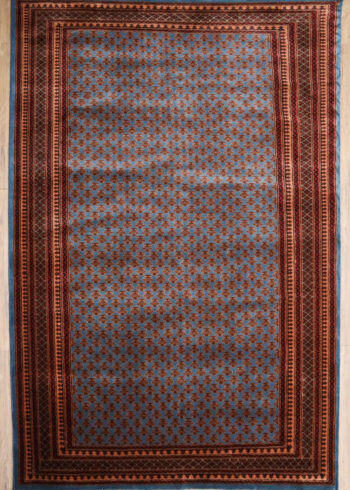
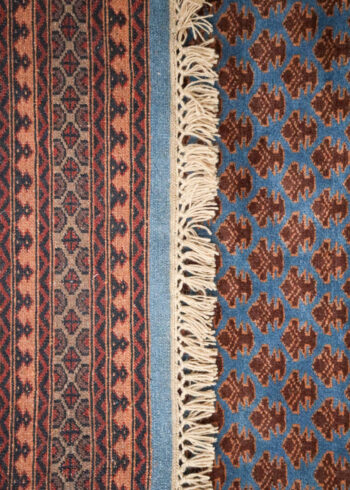
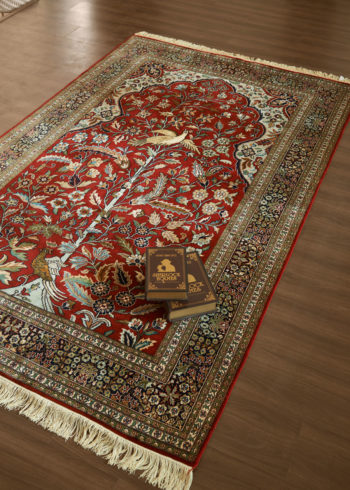
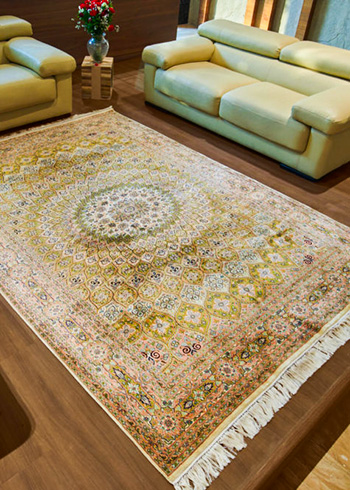
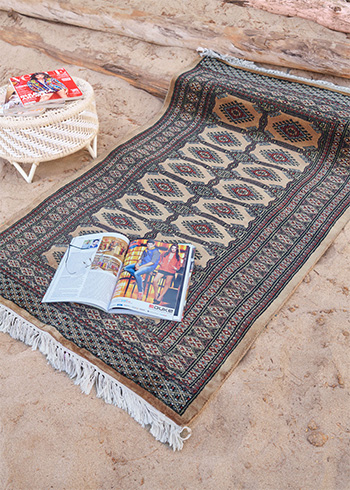
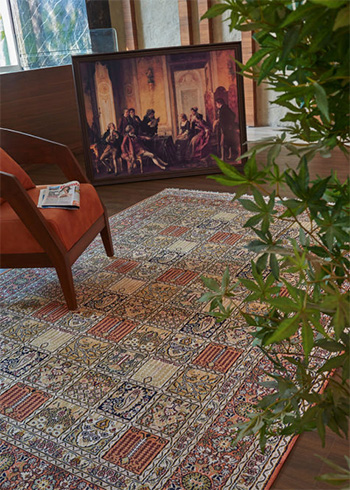
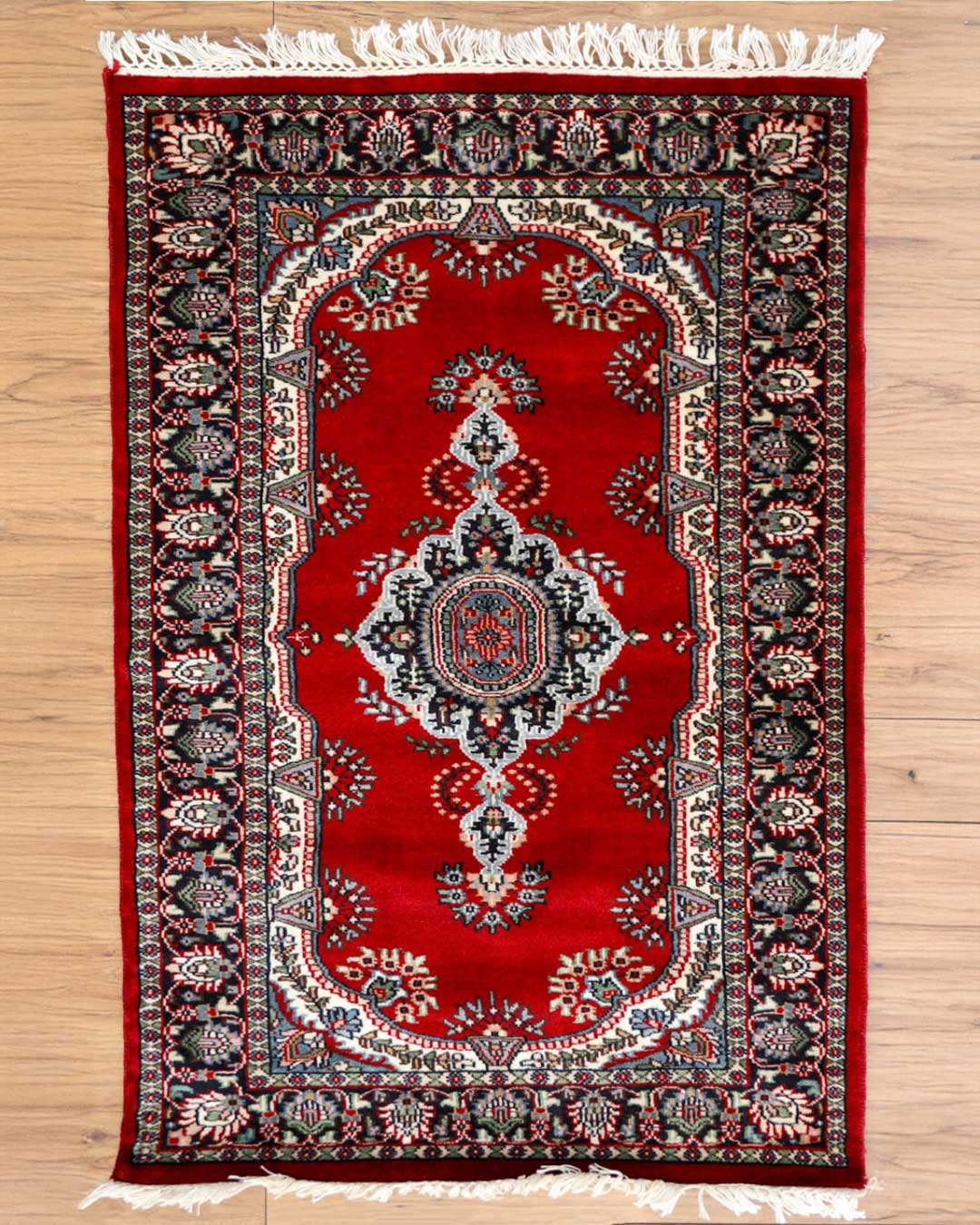
Carpets
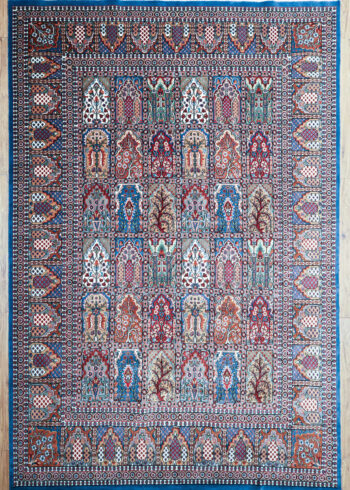
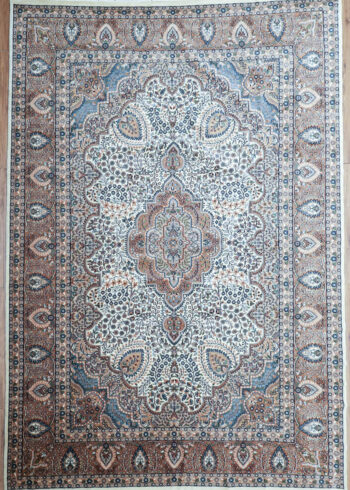
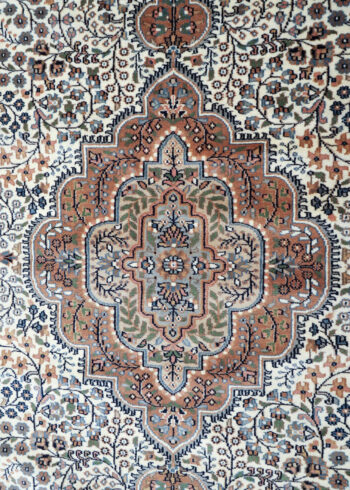
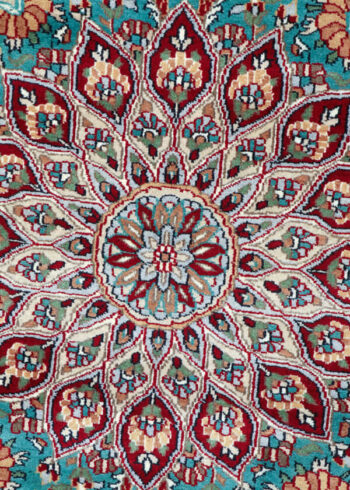
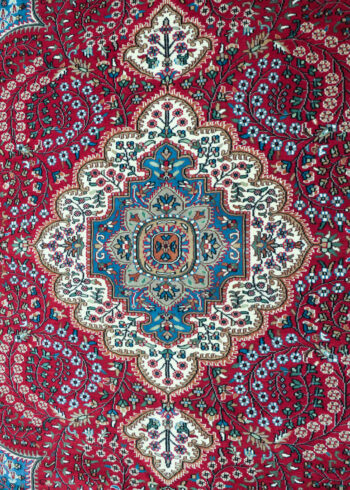
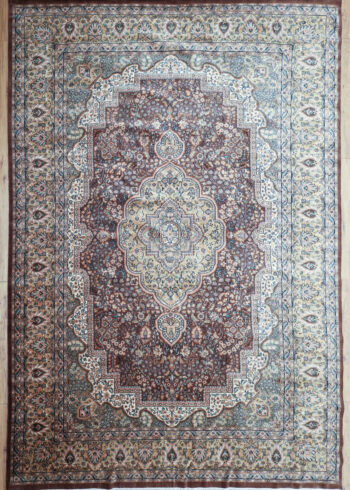
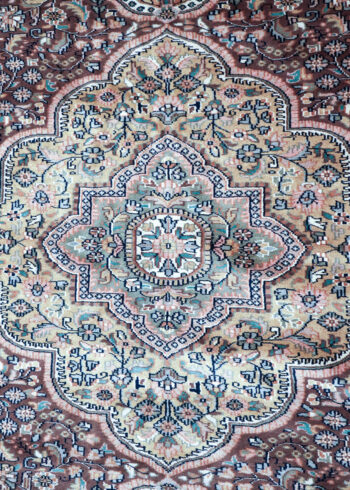
  • 100% Pure Silk Carpets
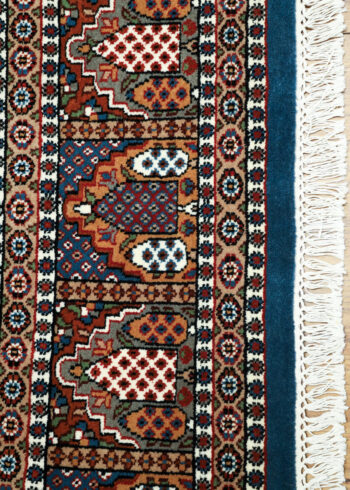
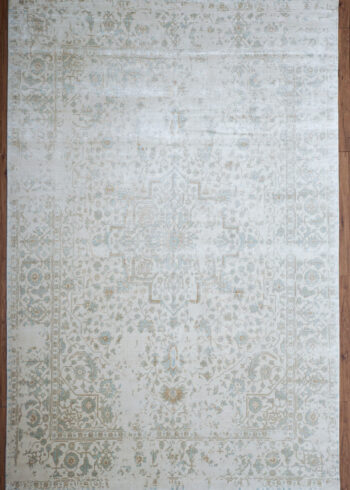
  • Wool Silk Carpets
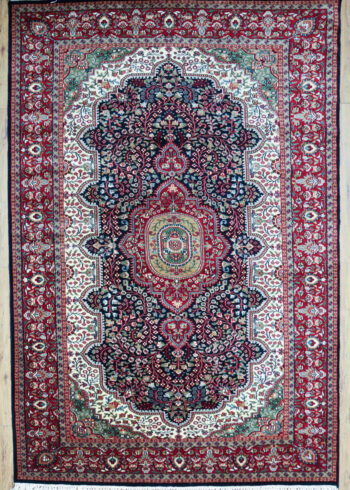
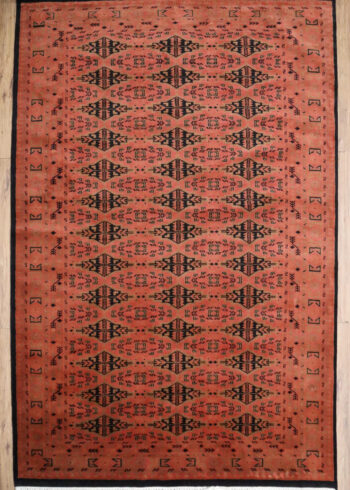
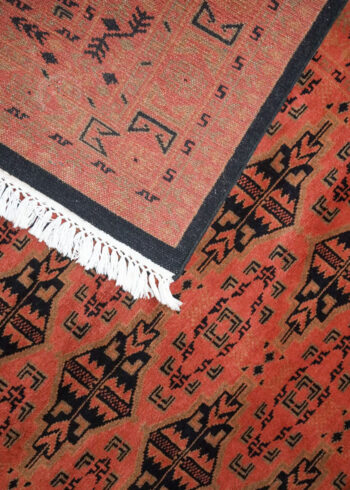
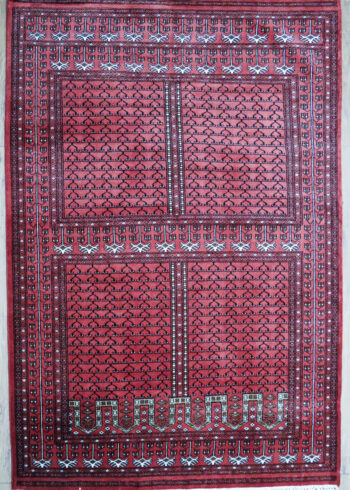
  • Wool Carpets
  • Runners
  • Round Carpets
  • The Jhelum Collection
    Click For The Jhelum Collection
    Caravan Collection
    Click For Caravan Collection
    Custom Order
    Custom Order Silk, Wool Silk & Wool carpets
    New Arrivals
    Click For New Product Arrivals
    Shawls
  • Pashmina
  • Silk Pashmina
  • Semi-Pashmina
  • Viscose
  • Wool
  • Dhurries
  • Cotton Dhurries
  • Woollen Dhurries
  • Discount Coupons
    Click here to avail discount coupons
    Online Carpet Puzzle
    Carpet Making Puzzle
    Email Us
    Send Us An Email
    Your Feedback
    Name
    Email
    Feedback / Comments
    Language Options
    Carpet Making Video
    View the video of carpet Weaving
    Post Your Photos
    Post Your Photos & Testimonials
    Subscribe to Newsletter
    Subscribe To Newsletter
    Become Our Dealer
    Dealership Information
    Currency Converter
    Online Currency Converter
    Logistic Partners

    Click Here For Shipping Information
    Click for RSS Feed Information
    Frequently Asked Questions


    Q. What is a WISHLIST? What is the next step after this?
    WISHLIST simply contains a list of product/s that you may be intending to buy for yourself or for gifting it somebody at our online store. Once you have completed your window shopping at our site you have to merely select your favorite product/s in an imaginary cart (WISHLIST) and submit your entry with some of your details (please click here to see a demonstration). The next step is our response based on your inquiry that will be sent to you through an informative mail giving you complete details about your intended purchase, shipment procedures, payment method, etc.
    Top Of Page

    Q. How do I make the payment once I decide to buy from your site?
    There are several options for you to make the purchase once you have taken the decision to buy from us. For a detailed explanation please visit our Payment Options page.
    Top Of Page

    Q. Are there any duties or taxes that I need to pay when importing your products?
    Though there are NO duties, taxes or VAT for our products that are exported (shipped) outside India, there maybe such applicable charges depending on your country's local tax or duty structure. For brief information please click here - Custom Duties & Related Taxes.
    Top Of Page

    Q. What exactly is Pashmina?
    A: In despite of all the fancy stories, let us see the explanation from the official organization for wildlife: FWS (U.S. Fish & Wildlife Service): "Pashmina is the local name in India for the cashmere goat. Recently, this name is attributed to not only the source animal, but to the fiber and the actual shawl itself. Pashmina shawl has become extremely popular in the fashion world since publicity about the illegality of shahtoosh ended most overt shahtoosh sales."
    Top Of Page

    Q. What's the difference between shahtoosh, shamina, pashmina (cashmere), merino wool, alpaca, and mohair?
    A. Let us compare these woolen products from their sources and fiber diameters:

    • Shahtoosh: downy undercoat from Tibetan antelope (or chiru) (Pantholops hodgsonii); between 10 and 12 microns
    • Cashmere: downy undercoat from goats (Capra hircus); between 12 and 21 microns
    • Shamina: finer and softer cashmere fibers; may be less than 14 microns
    • Merino wool: fleece from a breed of sheep (Ovis aries); between 18 and 24 microns
    • Alpaca: hair from llama; between 17 and 28 microns
    • Mohair: fleece from Angora goat; kid fleece is 22 to 27 microns; adults, over 40 microns
      Top Of Page
    Q. What is cashmere is it kind of tiny wool?
    A. Cashmere is not just a kind of tiny wool, it is not wool at all. Cashmere comes from goats living in the high and dry plateaus surrounding the Gobi Desert of Mongolia and China. Exposed to the most extreme environmental elements of altitude and cold, the goats grow a downy undercoat of soft hair beneath their coarse exterior coat, those hairs are extremely sleek, soft, warm and silky, they are called Cashmere.
    Top Of Page

    Q. Why is cashmere usually so expensive?
    A. Cashmere, the very word evokes images of luxury, warmth and softness. The ultra-fine fiber from the undercoat of the Cashmere (or Kashmir) goat, is indeed a premium fiber - one that generally costs a good deal more than mere sheep's wool.

    Cashmere is the highest class of all natural fiber, warmer, softer, and lighter than all the rest. A goat only produces about 1.76 oz (50 grams) of washed cashmere each year. A woman's sweater usually weighs 5.29 to 10.58 oz (150 to 300 grams). That's the cashmere from 3 to 6 goats! Furthermore, garment production requires more than 20 separate processes, special equipment, and a lot of labor.
    Top Of Page

    Q. I saw Pashmina shawls sold just for $9.9 by some individual sellers elsewhere, and the seller claims that it is 100% cashmere, could this be true?
    A. Currently there are a lot FAKE Pashmina shawls are sold as real Pashmina shawls over Internet. The current prices for those fake Pashmina shawls are from $9 to $49.

    Those fake Pashmina shawls are usually made of 100% mercerized wool, some of them are made of acrylic (a kind of synthetic fiber), that is why they could make it so cheap (this price can not even cover the cost for a real cashmere shawl).

    Be a smarter cashmere shopper! Those fake Pashmina shawls are actually sold just for $1 or $2 in the market of Asian countries. Do not be fooled! Do not pay for those worthless fake things, do not encourage the liars by doing business with them!

    We assure you of 100% pure Pashmina shawls, so pay no heed to cheaters!
    Top Of Page

    Q. Where can I get the information for cashmere from a non-commercial source?
    A. Fortunately there are many non-profit organizations working to promote the use of genuine cashmere products and to protect the interests of manufacturers, retailers and consumers of these products. Please check Cashmere and Camel Hair Manufacturers Institute (CCMI).
    Top Of Page

    Q. What is Shahtoosh? Do you sell Shahtoosh?
    A. Shahtoosh (aka Shah tush) is the shawl made from the hair of the Tibetan antelope, which is a kind of endangered species. We do not carry any Shahtoosh. It is illegal to import, sell, or buy Shahtoosh in U.S. and other 150 countries which signed CITES (The Convention on International Trade in Endangered Species of Wild Fauna and Flora) Treaty.

    However we do carry something looks and feels like a shahtoosh but, happily, does not require the killing of up to five chirus to make one. Please check out our Pashmina shawls, it is made of 100% finest cashmere, very soft with the natural shine of fine cashmere. It also features a Shahtoosh type fringe. Our Pashmina shawls are available in over 100 colors for you to choose.
    Top Of Page

    Q. Are your carpets hand-made or machine made? And do you use natural or artificial fibers?
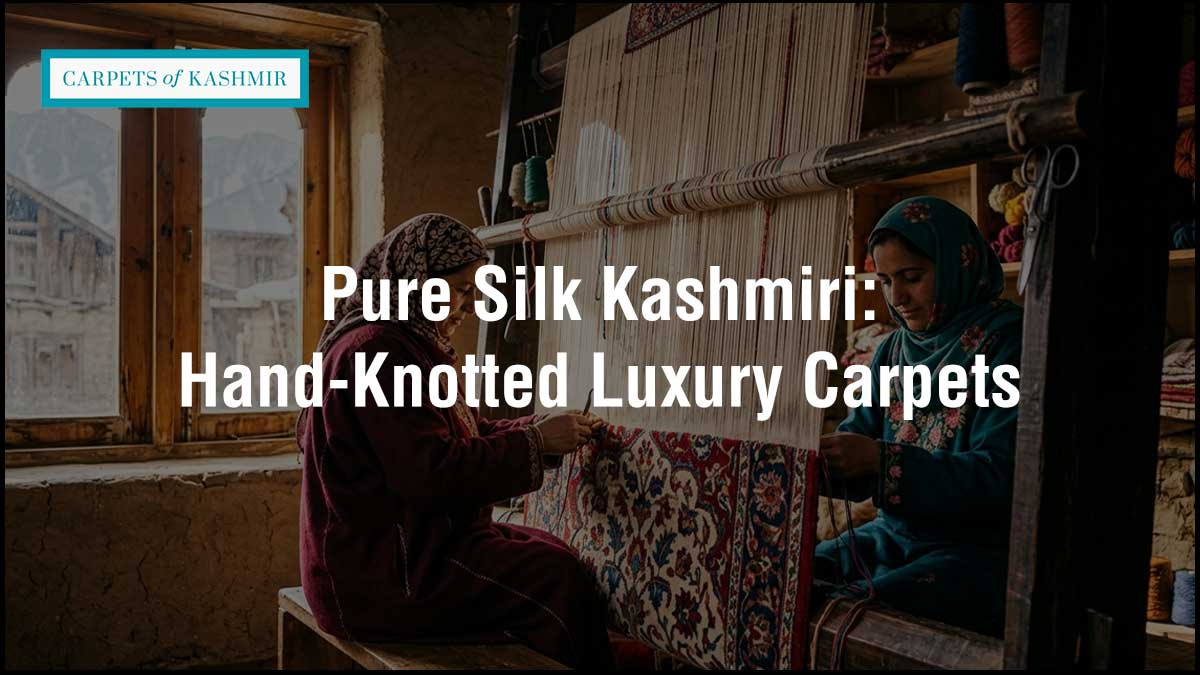
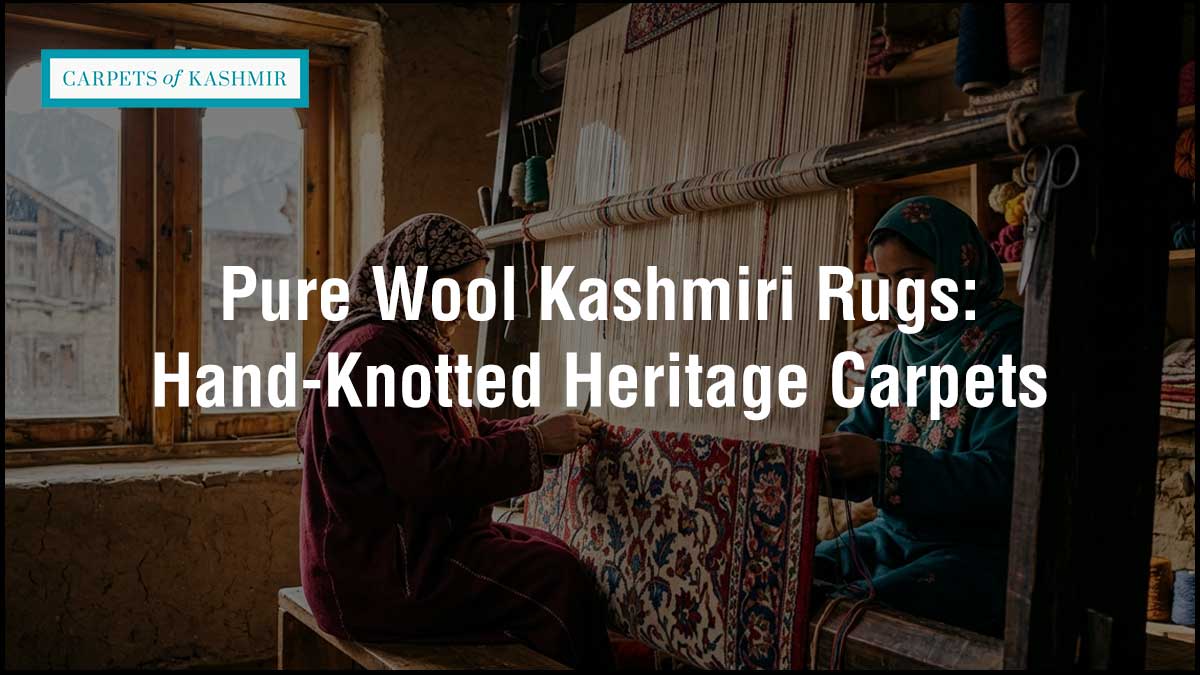
    All our carpets are completely hand-made and hand-knotted with natural fibers like pure wool, silk and a blend of both the fibers too (wool/silk). We never use any automatic, semi-automatic or any mechanized tool in the making of our carpets. We never use any kind of artificial, synthetic or man-made fibers in any of our products. All our carpets are produced in the age-old method of traditional, oriental carpets that are being produced for the last 450 years.
    Top Of Page

    Q. What kind of wool do you use for wool carpets?
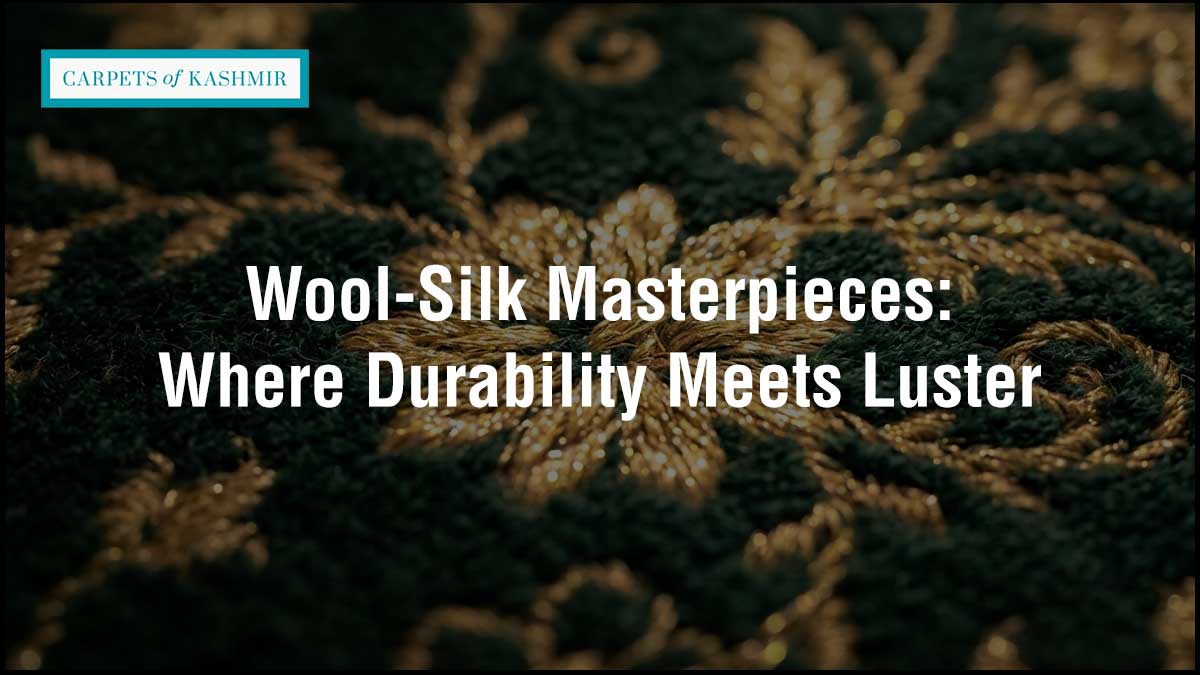
    We use two different types of wool sources for various categories of wool carpets. The basic (standard) grade of wool carpets is made of local wool from Kashmir that is used to produce carpets with thick and heavy pile. These carpets usually have bold motifs and are often used in corridors and passageways. The other type of wool that we use for a majority of our carpets comes from New Zealand - Merino sheep wool, often considered to be amongst the finest in the world. Merino wool gives a superb luster and shine that is similar to pure silk but having all the trademark characteristics of the wool fiber - sturdiness, robustness and extremely fine lushness thereby lending high workmanship and outstanding durability to the carpet that lives for generations to come.
    Top Of Page

    Q. What kind of silk do you use for your silk carpets? What is artificial silk?
    Our magnificently beautiful silk carpets from Kashmir are made of only pure natural silk, which is completely made by nature and never mixed with artificial or synthetic fibers or materials. Silk is an extremely fine, soft and shiny fiber that is used in a variety of luxury textiles, garments, upholstery and carpets. Pure natural silk is obtained from the cocoon of the silkworm larva by an ancient process known as sericulture. The shiny appearance of silk comes from the fiber's triangular prism-like structure, owing to which the fabric refracts light at different angles. Pure silk (C15H23O6N5) is a naturally protein fiber and is composed of a number of amino acids. Silk is extremely high in tensile strength, exceeding that of nylon and other such synthetic fibers. For centuries, the silk fiber has been used to make Oriental carpets owing to its unmatched luster, shine, fineness and permanence. Artificial silk simply means synthetic or something that is not produced from the silkworm cocoon. This could also mean that it is mercerized cotton; sometimes it means a manufactured fiber like rayon or a blend of chemically altered and/or manufactured fibers.
    Top Of Page

    Q. Is there any way to test the silk fiber?
    Yes, there are various methods to test the silk fiber that have been accepted internationally too. The traditional way to know whether the fiber is natural silk is to vigorously rub the area with your open palm. The real silk carpet feels warm after this while the artificial silk carpet stays cool to the touch. However a more comprehensive way is to burn the silk fiber by extracting few fibers from the back of the carpet. In the case of pure silk, the fiber does not burn till the end but will extinguish shortly after being burnt. And in case the fiber burns till then end then the fiber is most certainly not pure silk. ). A real silk fiber, after being burnt will get reduced to a black, crispy ash, and the smell would be similar to hair being burnt (commonalities being the protein in silk as well as hair) and would be distinctly pungent. An artificial silk fiber, on being burnt, on the other hand will be reduced to an ash that is soft and chalky, and the smell resembles like burning paper. The third test is to dissolve the silk fiber. This is considered to be the most accurate test as this chemically differentiates protein from cellulose or petrochemicals. At room temperature, mix a solution of 16 g copper sulphate (CuSO4) in 150 cc of water. Add 8-10 g glycerin, then caustic soda (sodium hydroxide: NaOH) until a clear solution is obtained. This solution will dissolve a small sample of natural silk, but will leave cotton, rayon, and nylon unchanged.
    Top Of Page

    Q. Do your carpets provide any insulation & comfort?
    Carpet provides an added measure of warmth and insulation with its millions of fibers and places between them to hold warmth or to insulate against extreme heat or cold. It's warmer to sit on or work on, providing more stable temperatures for foot and leg comfort near the floor. In colder climates or seasons, it retains warm air longer, an important benefit in our energy-conscious world. In warm climates, it also insulates against invasive heat.

    When the insulation value is important, the carpet's label may offer an "R-value," and a cushion label may offer one, as well. When the carpet R-value is not available, CRI suggests multiplying the total carpet thickness measured in inches by a factor of 2.6 to approximate the carpet's R-value. The R-values are additive for any combination of materials. For example, a combination of carpet with an R-value of 1.3 and a prime polyurethane cushion with an R-value of 1.6 will yield an overall R-value of 2.9.
    Top Of Page

    Q. What protection does your carpets provide against safety from Slip/Fall?
    Especially for small children, seniors, and generally the entire family, safety in the home is a primary focus. We seek a stable, non-slick walking surface that prevents slips and falls and for the time when someone does trip, a surface that protects from bruises and other injuries. Carpet is great for cushioning our foot steps, minimizing slips and minimizing injuries from falls. It's hard to watch a toddler take his first steps on a cold hard floor. Carpet's softness and cushioning nature is ideal for family activity - whether it is the first steps of a toddler, the slow steps of the grandparent, or the fast action of the mother or teen-ager.
    Top Of Page

    Q. What are the sound reduction qualities of your carpets?
    Carpet is as Easy on Your Ears as Your Feet
    With the introduction of computers, speaker telephones, big screen TV's and video games, our homes have become a lot noisier. Fortunately, the solution to this problem of airborne sounds can be found right below our feet -- carpet.

    Carpet not only serves as a beautiful floor covering, it also provides sound insulation. Additionally, carpet creates an aesthetic ambiance conducive to lowered voices and heightened privacy. The sound-reducing qualities of carpet include.

    1. Carpet absorbs sound
    Recently, home builders have moved towards reshaping the home by combining all of the living area rooms into one big, open space. This layout promotes the family togetherness, but also creates a noisy atmosphere. With the addition of carpet, sound is absorbed rather than bounced off the floor and back onto the walls and furniture. Results from tests show that there is a pronounced "hush" in carpeted rooms.

    2. Carpet and cushion reduces noise better
    Carpet serves as an effective noise-reducer because it absorbs the sound of foot traffic within the home. These results are even more pronounced with the addition of carpet cushion. Research shows that properly specified carpet and cushion combinations produce better noise-reduction than carpet alone. Carpet cushion also increases comfort and ergonomic qualities, adds insulation, and extends the life of your carpet by protecting it against wear and tear.

    The CRI "Residential Carpet Installation Standard, CRI 105" calls for carpet cushion that is both firm and resilient and no more than 7/16 of an inch thick. Under the thinner carpet styles, such as some Berbers, use an even thinner cushion - maximum 3/8".

    3. Carpet and cushion insulate between floors
    Carpet works as a sound barrier between floors by helping to block sound transmission to rooms below. Carpet and carpet cushion are especially effective in masking the "hollow" sound from foot traffic often associated with staircases. Specific noise reduction data can be obtained from CRI.
    Top Of Page

    Q. What safety do your carpets provide for Seniors?
    Well known for its ability to provide warmth and style to a room, absorb unwanted noise, and provide firm traction, our carpets are continuing to gain a reputation as the floor covering of choice for senior adults and their families.

    1. Safety is tops

    Safety is a top consideration for seniors, who seek a stable, non-slick walking surface that protects them from "slip and fall" accidents. Carpeted surfaces are significantly more effective at preventing slips and falls than hard, smooth surfaces.

    Maintaining balance, a consideration for individuals who use braces, a cane or a walker, can be less difficult with low pile carpet combined with an extra firm cushion. CRI also recommends securely fastening carpet and rugs to provide firmer footing.

    Carpet can also reduce or eliminate reflected glare, minimizing disorientation, and can reduce leg fatigue associated with walking or standing on hard surfaces.

    2. Healing colors

    Studies have shown that color has psychological affects on moods. With this in mind, blues, greens, teal, mauve, coral, peach and warm neutrals are often chosen for their soothing effects. Avoid "hot" tones such as red, which may raise blood pressures for some, and yellow, which may cause nausea and anxiety to someone that already is not feeling well.

    Color also plays a significant role with Alzheimer's patients. According to the Alzheimer's Association, patients remember colors better than numbers; therefore, color in carpet can provide a memory link and better help to orient a person to a specific room or area.

    3. Acoustics - It's quieter

    Privacy and unwanted noise can sometimes challenge senior parents, who appreciate their independence and may not be used to the noise levels created by visiting family members.

    Carpet's ability to absorb airborne sound, reduce surface noise ("footfall noises"), and block sound transmission from floor to floor is well known. Carpet with an attached or separate cushion is the most effective way to control noise and minimize sound indoors.

    4. Comfort - Warm your ankles

    Seniors whose feet and ankles are susceptible to temperature changes, will stay warmer on carpet due to its natural insulating properties. The surface temperature of carpet is substantially higher than that of hard surfaces due to its pile construction that acts as an efficient thermal insulator.
    Top Of Page

    Q. How to store Pashmina / Silk Pashmina shawls etc.?
    Before storing your precious cashmere garments in basements or attics, check carefully for leaks, dampness and sunlight.

    Fold clothes or pack them neatly in tissue paper or plastic bag and store them in closet away from light, dust and dampness.

    Cleaning before storage is recommended, as fresh stains that may not yet be visible will oxidize and become fixed during storage, they may also be the food for moths. Moths have a discerning palate, they feast only on natural fabrics. Mothballs (naphthalene) and cedar chips are standard protection from moth infestation of woolens.

    To store a pure cashmere sweater during summer, the most important thing is to keep moisture away, so please do not store cashmere in a damp place. A well-sealed plastic storage box (available in most stores) is good enough (a see-through one is better as you can notice that if there is any moisture inside). Make sure the box is dry before you put sweaters in.

    To keep the moth away, the first important thing is to make sure that the sweater is clean before long-time storage. Pay close attention to any food stains as moths are particularly attracted to our normal food proteins and cooking oils. Those mothproofing products are helpful, or simply spray some perfume on a piece of paper and put the paper next to your sweater inside the box.
    Top Of Page


    © Kashmir Oriental Carpet Enterprises, All Rights Reserved
    20, Crush Hall, World Trade Centre,Cuffe Parade, Mumbai 400 005. INDIA.
    Tel: 91-22-2218 3284. Telefax: 91-22-2218 8851
    Email: contact@carpetsofkashmir.com

    Web Site Designing & Hosting: Webbing Systems

    Know More About Us Contact Us for Quality Products View Your Wish List Home Page of CarpetsOfKashmir.com Frequently Asked Questions Our Global Quality Policy View Certification Information